
Thomas Instrumentation turns complex ideas into manufacturable PCB designs. We handle schematic development, layout, prototyping, and full lifecycle support with an emphasis on custom design, Design for Manufacturability (DFM), rapid validation, and reliable, high-quality engineering.
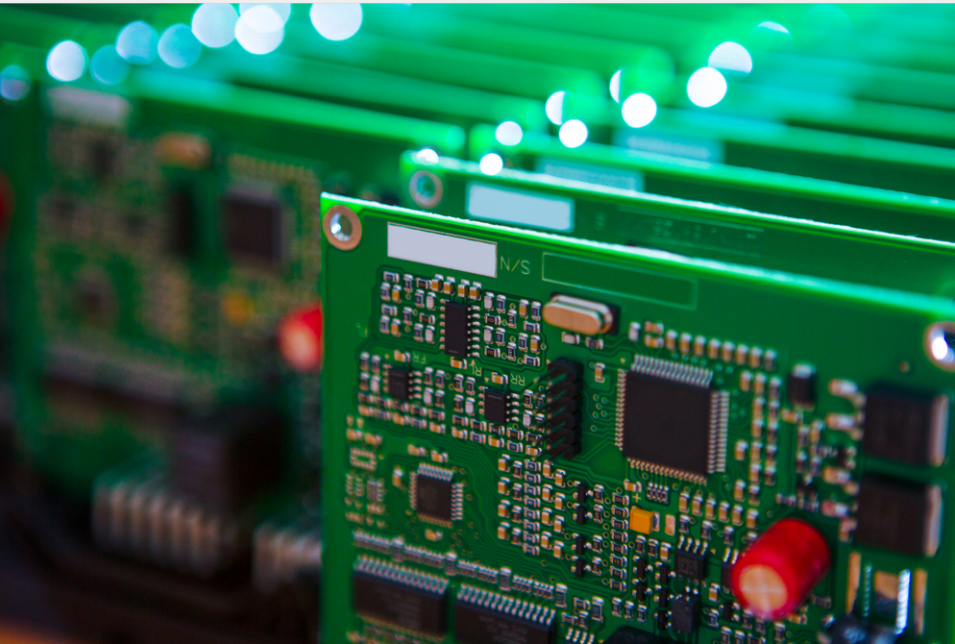
A printed circuit board is only successful when it performs in the field and can be built consistently. Thomas Instrumentation provides custom PCB design services that keep performance, reliability, and manufacturability aligned from schematic through PCB prototyping.
If you want to discuss requirements, reach out through our contact form so we can understand constraints and target volumes. When your design is ready for assembly and repeatable validation, we can coordinate a seamless handoff to our in-house electronics manufacturing services team for production builds and verification.
Revitalizing existing PCB designs to meet modern standards, ensuring compatibility, efficiency, and longevity. This includes component obsolescence planning, footprint updates for current supply chains, and touch screen interface upgrades.
Utilizing advanced technology and methods to engineer dependable and innovative electronic solutions.
Discovery & Requirements Capture
Defining specifications, risks, performance targets, and compliance needs.
Schematic & Library Preparation
Creating verified symbols and footprints, setting design rules, and building a clean documentation foundation.
Prototype & Bring-Up
Developing test strategies, validating functionality, and performing structured debugging.
Lifecycle Support
Managing engineering change orders (ECOs), incorporating field feedback, and supporting modernization or refurbishment throughout the product’s life.

Thomas Instrumentation delivers custom embedded systems and PCB designs for all industries, with a specialty in high-reliability, high-quality engineering.
We provide:
Flexible solutions for any application or sector
Designs built for longevity, consistency, and long-term production needs
Full lifecycle support from concept through modernization
Our versatility allows us to meet the needs of diverse clients without limiting ourselves to specific industry categories.
We validate prototypes against structured checklists and expected behavior. Many OEMs need final validation inside real equipment, mechanical housings, and end-use sensors or actuators. We support that reality with clear documentation, test strategy, and fast debug collaboration.
Our PCB design and layout prioritizes signal integrity, power integrity, and manufacturability. That includes stack-up definition, constraint-driven routing, return-path awareness, and spacing rules that support EMI preparedness. For advanced designs, we plan impedance targets, length control, via strategy, and partitioning for noisy and sensitive domains.
Design choices should make assembly and testing easier. We add practical test access, select footprints that reduce rework risk, and avoid fragile layouts that create reliability issues. We also design for reliable programming and verification, so boards can be checked quickly without improvised bench procedures.
PCB modernization can be as important as new development. We update designs to address component obsolescence, improve efficiency, and resolve failure modes. Our PCB diagnostics work focuses on isolating the root cause, confirming corrective actions, and documenting changes so the next run is more stable. For equipment, modernization can include touch screen interface upgrades that preserve your product’s workflow while improving supportability.

Decades of extensive experience in PCB design across diverse industries.

Tailored solutions expertly crafted to meet your specific project requirements.

Comprehensive and rigorous testing, quality control for every design.

A commitment to incorporating the latest technology and innovations.
Every product has different constraints. We support advanced PCB design needs such as:
If your program includes firmware and diagnostics, our engineers can collaborate with your team and our in-house embedded software development team to keep interfaces and bring-up steps aligned.
Quality is built into the design through disciplined rules, documentation, and validation planning. Thomas Instrumentation supports quality programs and compliance needs using robust engineering review and practical design hygiene, including pre-compliance-minded layout decisions that reduce EMI surprises.
We also consider long-term lifecycle realities. When products return from the field, our Sustainable Repair and Enhancement Program helps extend PCB life and uses real failure data to guide design improvements.
To see how we keep engineering and manufacturing aligned, explore our advanced facilities to see how our teams stay aligned.
Smart choices early can prevent expensive redesign cycles and protect schedules.
Layer count, special finishes, tight tolerances, HDI features, and rigid-flex requirements can affect both cost and lead time. We help you evaluate tradeoffs early so you can invest where it matters and simplify where it does not.
We emphasize decisions that reduce downstream friction, such as stable component selection, thoughtful connector placement, and test access that supports repeatable verification. Component obsolescence planning is also critical. We stay aligned with lifecycle timelines and plan upgrades that keep your product in production without last-minute scrambles.
Because our manufacturing team can review designs before release, we can identify assembly or test concerns early and reduce the risk of late-stage changes.
Thomas Instrumentation designs PCBs for diverse applications. Explore examples across our industries we serve and see how our approach adapts for environments such as industrial controls, regulated healthcare technology, demanding automotive electronics, and mission-critical military solutions programs.
Most projects include schematics, PCB layout data, a complete bill of materials, and a fabrication and assembly documentation package suitable for manufacturing release. We also provide design notes that clarify critical requirements.
We consider lifecycle during design and aim to select parts that support long production runs. When a redesign is required, we plan it to minimize disruption by keeping interfaces stable and updating footprints and documentation in a controlled way.
High-speed constraints, dense designs, specialized materials, and unique mechanical requirements add time. Clear requirements and timely reviews also matter. The earlier we align on constraints and priorities, the smoother the schedule tends to be.
By the time a design is released, it has been reviewed for manufacturability and test considerations, reducing friction when your project moves into assembly and production validation.
Custom PCB design is successful when it balances performance, manufacturability, and long-term support. If you need a partner who can design, validate, and support electronics through the full lifecycle, Thomas Instrumentation can help you move from concept to production with confidence.


